Cambria CEO’s Tariff Request on Quartz Sparks Industry Backlash - {璐㈡姤鍓爣棰榼
2026-05-18 10:37:18 | EST
News Cambria CEO’s Tariff Request on Quartz Sparks Industry Backlash
News

Cambria CEO’s Tariff Request on Quartz Sparks Industry Backlash - {璐㈡姤鍓爣棰榼

Cambria CEO’s Tariff Request on Quartz Sparks Industry Backlash
News Analysis
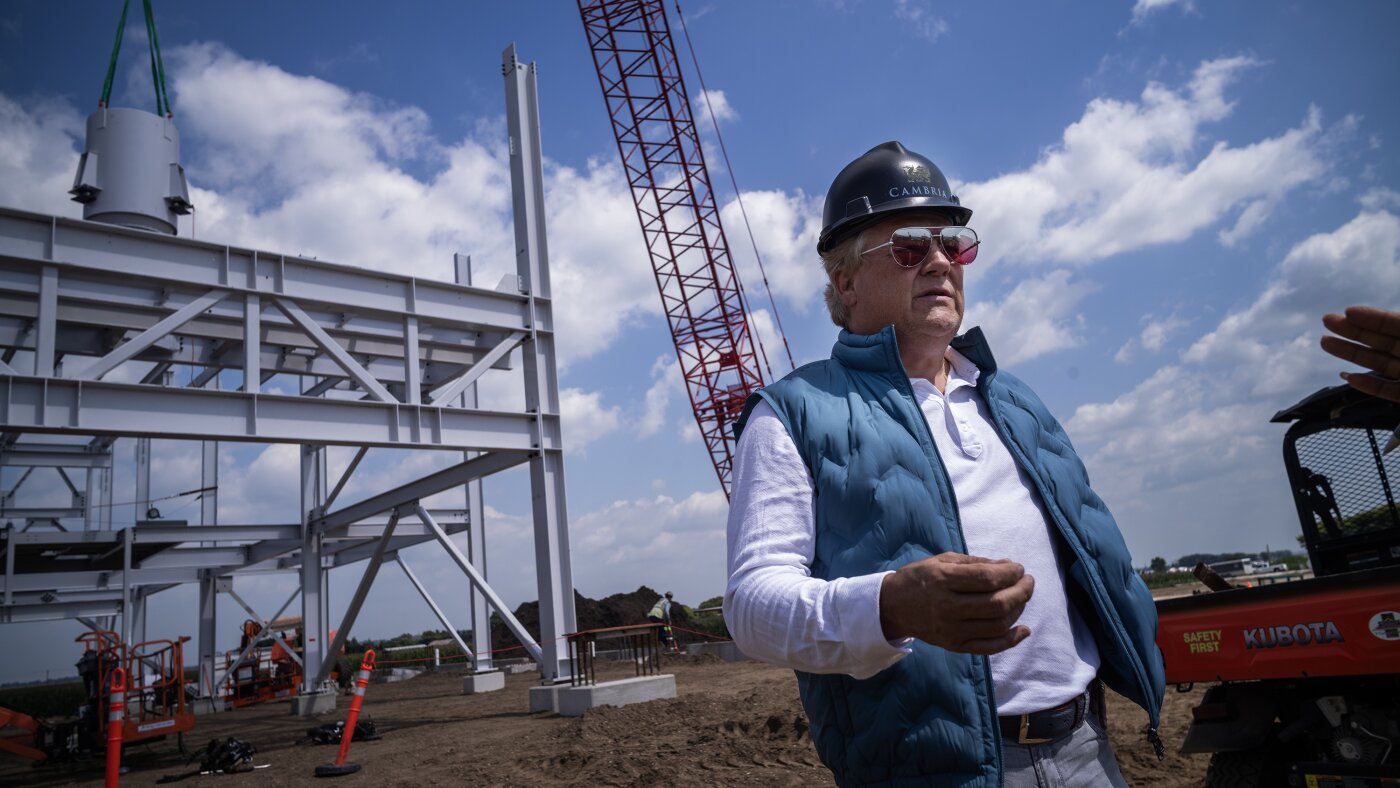
{鍥哄畾鎻忚堪} Cambria CEO Marty Davis, a prominent donor to former President Trump, successfully petitioned the U.S. government to impose tariffs on imported quartz. The move has drawn sharp criticism from competitors, who claim the tariffs are a protectionist weapon that could raise costs and distort market competition. The development highlights the potential for corporate leaders to influence trade policy in ways that benefit their own businesses.

Live News

- Tariff scope: The new duties affect quartz slabs and surfaces imported from several countries, with rates varying based on the specific product and origin. The move directly benefits Cambria, which produces similar products entirely within the United States. - Competitor response: Smaller quartz fabricators and importers have publicly criticized the tariffs, arguing that the process was influenced by a single CEO with deep political ties. Some have called for a review of how tariff petitions are evaluated. - Market implications: The tariffs could increase costs for homebuilders, contractors, and consumers. Industry analysts suggest this might lead to higher countertop prices or shifts toward alternative materials like granite or porcelain. - Political context: Marty Davis’s status as a Trump donor adds a layer of political scrutiny. Critics argue that trade policy should not be shaped by individual corporate interests, while supporters say the petition followed standard legal procedures. - Regulatory process: The tariffs were imposed after a trade investigation that found evidence of foreign competitors selling quartz in the U.S. below market value or benefiting from government subsidies. Such investigations are routine but rarely involve such a direct link to a single company’s CEO. Cambria CEO’s Tariff Request on Quartz Sparks Industry Backlash{闅忔満鎻忚堪}{闅忔満鎻忚堪}Cambria CEO’s Tariff Request on Quartz Sparks Industry Backlash{闅忔満鎻忚堪}

Key Highlights

According to a report by NPR, Marty Davis, chief executive of Cambria—a major U.S. producer of engineered quartz surfaces—lobbied the U.S. government to place tariffs on quartz imports. The request was granted, effectively raising the cost of foreign quartz entering the American market. Competitors have reacted strongly, accusing Davis of using his political connections to gain an unfair advantage. Cambria, based in Minnesota, manufactures quartz countertops domestically. Davis, a known donor to Donald Trump’s campaigns and causes, has been vocal about trade protectionism. The tariffs specifically target quartz products from countries such as India and Turkey, which have been major suppliers to U.S. remodeling and construction industries. The U.S. Department of Commerce and the U.S. International Trade Commission reviewed the petition and determined that imports were harming domestic producers. The resulting tariffs range from 3% to over 20% depending on the country and product, according to public trade filings cited in the NPR report. Cambria’s competitors, including smaller fabricators and importers, argue that the tariffs are not about fair trade but about crushing competition. Industry groups and some lawmakers have raised concerns about the precedent this sets. The National Association of Home Builders warned that higher quartz prices could slow housing construction and renovation projects. Meanwhile, Cambria maintains that the tariffs are necessary to level the playing field against foreign subsidies and dumping practices. Cambria CEO’s Tariff Request on Quartz Sparks Industry Backlash{闅忔満鎻忚堪}{闅忔満鎻忚堪}Cambria CEO’s Tariff Request on Quartz Sparks Industry Backlash{闅忔満鎻忚堪}

Expert Insights

The Cambria case underscores a growing trend of U.S. companies using trade remedies to protect domestic manufacturing, though it also raises questions about fairness and transparency. While tariffs may support American jobs in the short term, they could also lead to higher input costs for downstream industries and potentially trigger retaliatory measures from trading partners. From an investment perspective, the situation may present a mixed outlook. Domestic quartz producers like Cambria could see improved margins and market share if the tariffs remain in place. However, companies reliant on imported quartz, such as certain home improvement retailers and countertop fabricators, might face compressed margins or be forced to pass costs to consumers. Regulatory risk is another factor. The Biden administration has signaled a more cautious approach to tariffs compared to the Trump era, but the recent decision suggests that protectionist tools remain available to companies that can demonstrate harm. Investors should monitor how similar tariff petitions might affect other materials industries, such as ceramics, stone, or metals. The broader implications for supply chains are worth noting. If tariffs become more common on building materials, the construction and renovation sectors could see price volatility. Homebuilders and real estate developers may need to adjust their sourcing strategies, potentially favoring domestic alternatives or non-quota material types. Disclaimer: This analysis is for informational purposes only and does not constitute investment advice. Cambria CEO’s Tariff Request on Quartz Sparks Industry Backlash{闅忔満鎻忚堪}{闅忔満鎻忚堪}Cambria CEO’s Tariff Request on Quartz Sparks Industry Backlash{闅忔満鎻忚堪}
© 2026 Market Analysis. All data is for informational purposes only.